
Antibiotics
Antibiotics for UTI: Symptoms, Treatment, and Recovery

Jun
Knowing what antibiotics for UTI do and how they can help combat a urinary tract infection UTI is important to you finding the right treatment. Analyze here you can naturally get around urinary tract infections that are common and can be experienced at any age level Knowing the early UTI signs, addressing these in a timely manner from urinary tract infection treatment to knowing what happens during recovery will reduce discomfort and help prevent complications.
This guide will help to explain treatment options you may be offered, how long recovery can take and what practical steps you can take to support your wellbeing.
Quick Summary
- UTIs often cause a burning sensation, frequent urination, and lower abdominal discomfort.
- Early urinary tract infection treatment may help prevent the infection from worsening.
- Healthcare professionals may recommend different antibiotics for UTI depending on individual circumstances.
- Staying hydrated and resting can support recovery.
- Seek professional advice if symptoms persist or frequently return.
Understanding UTI Symptoms
A urinary tract infection occurs when bacteria enter the urinary system. Recognising UTI symptoms early can make a significant difference.
Common signs include:
- A burning feeling during urination
- Frequent urge to urinate
- Passing only small amounts of urine
- Cloudy or strong-smelling urine
- Lower abdominal discomfort
- Feeling generally unwell
If symptoms worsen or are accompanied by fever or back pain, prompt assessment is recommended.
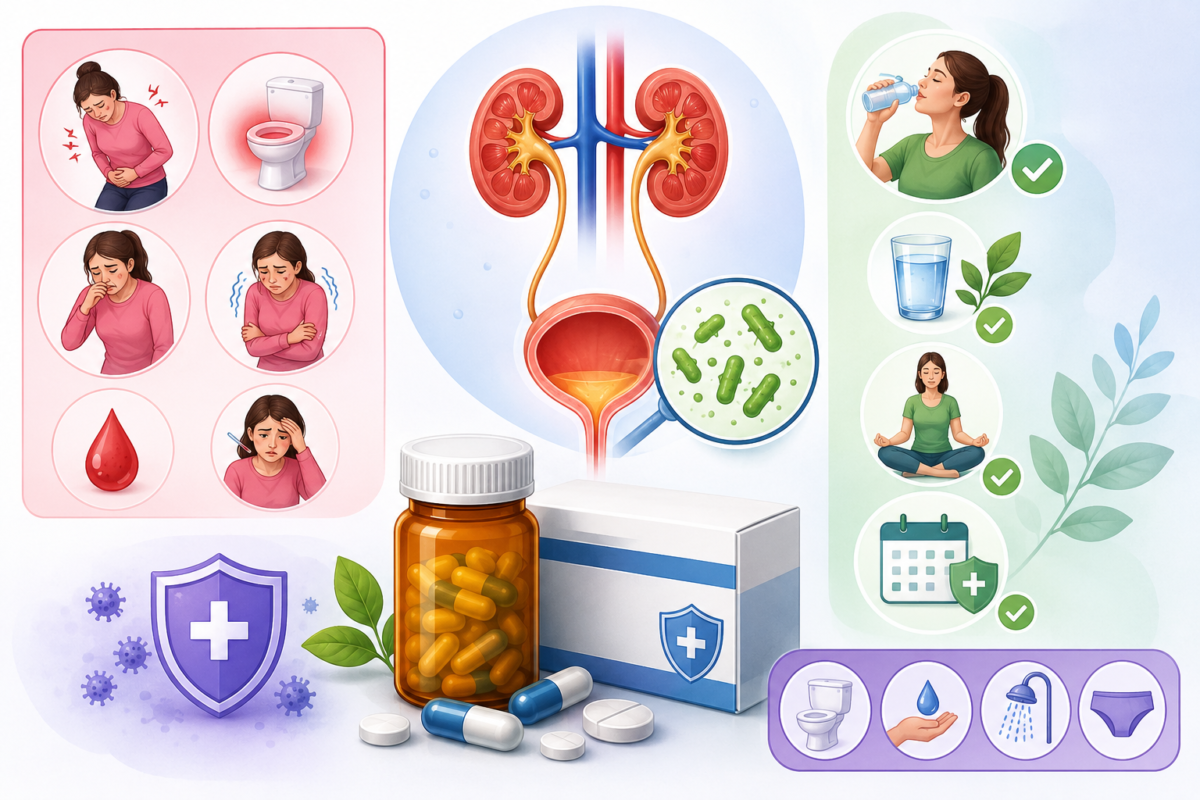
Antibiotics for UTI: What You Need to Know
Treatment plans differ based on the severity of symptoms, medical history, and whether the infection is recurrent or uncomplicated.
Through a professional assessment, we determine how best to approach and what the recovery timeline is expected to be.
What Antibiotics Are Commonly Prescribed for UTIs?
Healthcare providers will have different options to choose from that will be determined by the particular infection type and individual requirements.
Commonly considered options include:
- Nitrofurantoin
- Trimethoprim
- Fosfomycin
- Cephalexin
- Amoxicillin-clavulanate
The choice of agent and duration of therapy considers a range of factors including disease severity, history of previous episodes, and local resistance patterns.
Following professional guidance and completing the recommended course is important.
Practical Information Table
| Situation | Common Signs | Recommended Action | Recovery Considerations |
Mild early symptoms | Burning sensation, urgency | Seek professional advice promptly | Increase fluid intake and rest |
First-time UTI | Frequent urination, discomfort | Assessment for appropriate urinary tract infection treatment | Monitor symptom improvement |
Recurrent episodes | Repeated symptoms within months | Further evaluation may be advised | Discuss prevention strategies |
| Persistent symptoms | Symptoms lasting despite treatment | Follow-up consultation | Additional investigations may be needed |
Recovery phase | Reduced discomfort | Continue healthy habits | Avoid stopping treatment early |
Can a UTI Go Away Without Antibiotics?
In mild infections, there is potential for spontaneous resolution. This is however not uniformly predictable.
Delaying professional advice can increase the risk of the infection spreading or becoming more severe. If symptoms persist beyond a short period or worsen, seeking appropriate urinary tract infection treatment is advisable.
Supportive measures include:
- Drinking plenty of water
- Avoiding bladder irritants such as excessive caffeine
- Prioritising rest
- Maintaining good personal hygiene
Also Read: Understanding Antibiotics for UTI: Safe and Effective Options
UTI Pain Relief: Managing Discomfort During Recovery
Experiencing discomfort can affect daily life. Fortunately, several strategies may provide UTI pain relief.
These include:
- Staying well hydrated
- Using a warm compress on the lower abdomen
- Resting adequately
- Avoiding highly acidic foods and drinks if they aggravate symptoms
- Wearing loose, comfortable clothing
Recovery times vary, but many people notice improvement within a few days of starting appropriate care.
What Are the Side Effects of UTI Antibiotics?
Like many treatments, some people may experience side effects.
Possible side effects can include:
- Nausea
- Mild stomach upset
- Diarrhoea
- Headache
- Changes in appetite
- Skin sensitivity reactions in some individuals
Most side effects are temporary. But, if you witness extreme reactions or your condition worsens, get a medical opinion at the earliest.
UTI Recovery Tips to Support Wellbeing
A smooth recovery often involves more than treatment alone.
Helpful habits include:
- Completing the recommended treatment plan
- Drinking adequate fluids
- Urinating regularly
- Avoiding unnecessary delays when using the toilet
- Maintaining healthy hygiene routines
WalMGs can therefore be an ideal education and advice outlet that will direct individuals to the appropriate support, tailored to their needs.
Conclusion
Understanding antibiotics for UTI, recognising early UTI symptoms, and knowing when to seek urinary tract infection treatment can make recovery more manageable. While supportive measures may offer UTI pain relief, persistent or worsening symptoms should never be ignored.
If you are worried about recurrent infections or recovery, a conversation with an experienced healthcare professional can ensure that the next steps are right for you and help restore your confidence in your health.
FAQ’s Antibiotics for UTI
1. UTI symptoms vs dehydration: How can I tell the difference?
UTI symptoms usually include burning during urination and frequent urges to urinate, while dehydration commonly causes dark urine and thirst without the same urinary discomfort.
2. UTI pain relief vs waiting it out: Which is better?
Comfort measures may help ease discomfort, but ongoing symptoms should be assessed professionally to avoid complications.
3. Can antibiotics for UTI work immediately vs taking several days?
Many people notice improvement within a few days, although recovery experiences vary from person to person.
4. Frequent urination vs normal bladder habits: When should I be concerned?
If the urge to urinate becomes sudden, persistent, or is accompanied by discomfort, professional advice is recommended.
5. Professional urinary tract infection treatment vs self-care: Which should I choose?
Self-care can support recovery, but persistent or worsening symptoms should always be discussed with a healthcare professional.