
Antiviral Medications for Viral Infections
Anyone can be infected at any age by a viral infection which almost generally manifests in symptoms like fever, cough, sore throat, cold, runny nose, fatigue and herpes labialis when infected with COVID-19. Many viral illnesses will clear up on their own, but some diseases need an antiviral drug to help manage symptoms, decrease the length of time you’re sick and prevent complications. Antivirals target specific viruses and are mainly used for influenza, herpes simplex virus and other infections by a limited number of viral pathogens.
Medications
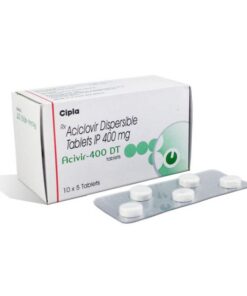
Antiviral
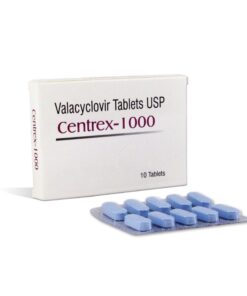
Antiviral

Antiviral
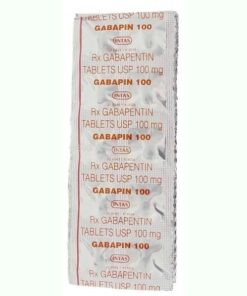
Antiviral

Antiviral
Why should you use antiviral medicines?
Antiviral medications can reduce the severity or duration of viruses if given properly. Treating the condition early may lead to a faster onset of symptoms, reduce the risk for complications and aid in a quicker recovery. This is the reason why many search for antiviral medications that treat signs, flu-like viruses and cold sores, due to this fact making these medicines helpful towards a selected virus when used as prescribed with the aid of an expert.
Common Uses of Antiviral Drugs
Antiviral medications may be given for:
- Treatment of influenza (flu)
- Antiviral medicines for cold sores
- Herpes simplex virus (HSV) infections
- Shingles and chickenpox
- Certain respiratory viral infections
- Management of diagnosed viral conditions causing runny nose
Specific drugs and dosing will vary depending on the viral infection being treated.
How to Use Antiviral Medications?
Antiviral medicines should be taken exactly as prescribed (by a healthcare provider) for the best results. Antiviral pills will be most effective if they are started within the first 24 to 48 hours after symptoms begin.
General usage guidelines include:
- Follow the prescribed dosage instructions.
- Take the full course of treatment.
- Administer medication for you at the right times.
- Do not skip doses.
- Do check with your doctor if the symptoms worsen or continue.
Precautions Before Taking Antiviral Medicines
Medications that may interact with the antiviral drug Before using an antiviral, tell your healthcare provider:
- Any allergies to medications
- Existing liver or kidney conditions
- Pregnancy or breastfeeding
- Other prescription or over-the-counter medications
- Any ongoing medical conditions
- Never Use Prescriptions Antiviral Drugs to Self-Treat
- Antiviral medicines are also associated with side effects.
As with any medicine, some people experience side effects when taking antiviral medications. Common side effects can include:
- Nausea or upset stomach
- Headache
- Dizziness
- Fatigue
- Diarrhoea
- Mild skin reactions
Get emergency aid in case you develop extreme hypersensitive reactions, trouble breathing and abnormal indicators.
Benefits of Antiviral Treatment
Taking antiviral medications as prescribed may assist:
- Shorten recovery time
- Reduce symptom severity
- Lower the risk of complications.
- Help manage recurring viral infections
- Support faster symptom relief
- Find Quality Antiviral Medications Online
Search our range of antiviral medications for viral infections, cold sores and other prescription-only treatments. Antiviral medicines should only be used following medical advice by a trained health professional to achieve an effective and safe treatment.
Frequently Asked Questions (FAQs)
Antiviral medications are used to treat specific viral infections such as influenza, herpes, shingles, and other virus-related conditions.
Antiviral pills may be effective when symptoms are caused by specific viral infections such as influenza and are taken as prescribed.
Common side effects may include nausea, headache, dizziness, fatigue, and digestive discomfort.
Prescription antiviral medications should only be purchased and used according to applicable laws and a licensed healthcare provider's instructions.
Many antiviral medicines work best when treatment begins within the first 24–48 hours after symptoms appear.