
Antibiotics
Skin Infections and Antibiotics: What You Need to Know
Jun
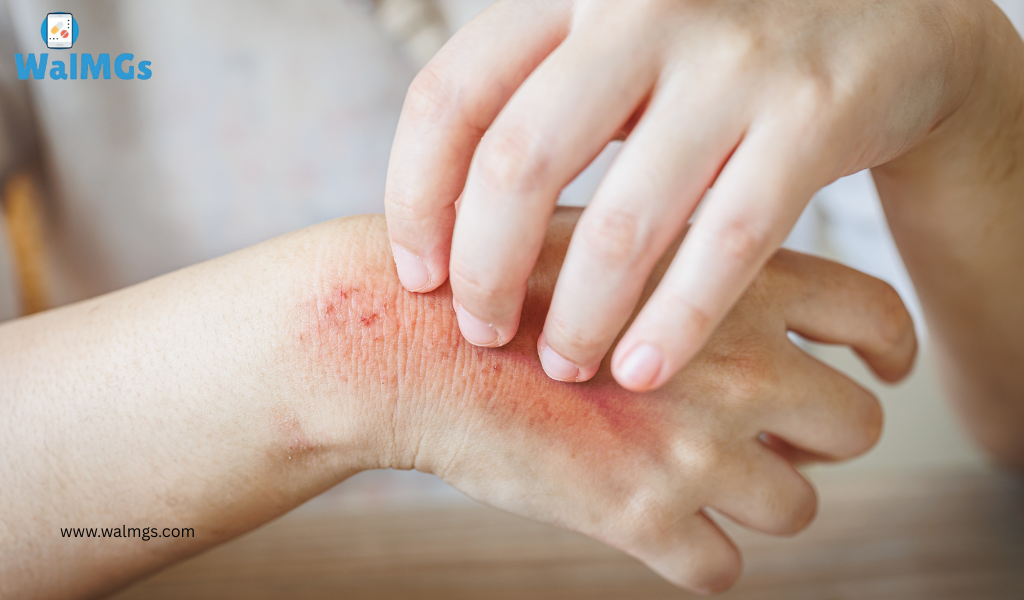
Knowing when skin infections antibiotics are needed can help you make health-related decisions with peace of mind. Skin infections can be the mildest irritations caused by a bacterial skin infection to more severe conditions. Many cases resolve independently with supportive care and good hygiene alone, but others will need professional evaluation and an appropriate treatment plan for skin infection.
Understanding the signs, options in care and early feedback can impact your recovery time and reduce risk of adverse consequences.
Quick Summary
- Skin infections can be caused by bacteria, fungi, viruses, or other factors.
- Not every skin infection requires antibiotics.
- Early recognition often leads to more effective skin infection treatment.
- Oral treatment options may be recommended for widespread or deeper infections.
- Professional guidance helps ensure the most appropriate approach.
Common Types of Skin Infections That Need Antibiotics
Some anti-infective support may accompany the treatment of certain bacterial infections affecting the skin.
Cellulitis
This bacterial skin infection is a common one and it affects the deeper layers of the skin. It often produces erythema, heat, swelling, and tenderness that starts to spread.
Impetigo
Impetigo characterized by red sores that can form honey-coloured crusts, impetigo is common in children but may also occur in adults.
Infected Cuts and Wounds
Bacteria can invade the skin’s breaches from time to time when minor injuries are broken, resulting in greater pain, swelling and discharge or pus.
Boils and Abscesses
These bumpy and painful lumps are caused by bacteria infecting hair follicles or skin glands. The bigger, more recurring cases may need further consideration.
Also Read: Skin Infections Antibiotics Explained: When Do You Really Need Them?
What antibiotics are commonly used for skin infections?
Which of these you recommend and whether one or multiple is appropriate will all depend on the infection, the severity, and other health factors. When skin lesions are extensive or involve a deeper tissue, oral antibiotics may be advised.
Commonly considered options include:
- Penicillin-based treatments
- Flucloxacillin alternatives
- Cephalosporin options
- Macrolide alternatives for those with sensitivities
It depends on the person. It is best to have a skillful practitioner, do what you recommend as the right course of action.
Practical Information Table
| Skin Infection Type | Common Symptoms | Typical Skin Infection Treatment | When to Seek Advice |
| Cellulitis | Redness, swelling, warmth | Assessment and appropriate management | If symptoms spread quickly |
| Impetigo | Crusted sores, itching | Hygiene measures and targeted treatment | If lesions increase |
| Infected Wounds | Pain, discharge, redness | Wound care and monitoring | If healing worsens |
| Boils | Tender lumps with swelling | Warm compresses and evaluation | If recurrent or severe |
| Abscesses | Localised pus-filled swelling | Drainage assessment and follow-up | If accompanied by fever |
Do all skin infections require antibiotics?
The simple answer is no.
Using antibiotics in a skin condition is not the solution to all the underlying problems and will only make things worse. Certain infections are self-limiting, and the best treatment is supportive care, improved hygiene or cleansing routines and watchful waiting.
They give you some examples of situations in which antibiotics are probably not needed:
- Mild viral skin conditions
- Certain fungal infections
- Minor irritations without signs of bacterial involvement
- Small areas that improve naturally
But redness that gets worse, pain that gets worse, swelling that spreads or ongoing symptoms want to be looked at by a professional.
Recognising Signs of a Bacterial Skin Infection
Understanding the warning signs can help you act promptly.
Common Symptoms Include:
- Red or inflamed skin
- Warmth around the affected area
- Swelling
- Tenderness or discomfort
- Fluid leakage
- Crusting
- Fever alongside skin symptoms
Early assessment in case of worsening signs could assist with the better treatment plan for a skin infection.
Preventing Future Skin Infections
While not every infection can be prevented, simple habits can reduce risk.
Practical Prevention Tips
- Wash hands regularly.
- Keep cuts and grazes clean.
- Avoid sharing towels and personal items.
- Cover healing wounds appropriately.
- Maintain healthy skincare routines.
- Seek advice if symptoms persist.
At WalMGs, educating people on how to identify the early warning signs helps them make informed health decisions and seek timely care.
Conclusion
By learning about skin infections antibiotics, you’ll be ready when the inevitable time occurs and you have skin problems. Some conditions clear with simple care, but other maladies associated with a bacterial skin malicious program might require a specific skin infection scenario that recommends oral antibiotics for skin infections as required.
If your symptom flares up, spreads or is not better then working with a professional could help you get just what you need without too much hassle.
FAQ’s Related to Skin Infections and Antibiotics
1. Skin infection vs allergic reaction: What’s the difference?
Skin infections often involve redness, warmth, swelling, and tenderness. Allergic reactions commonly cause itching, rashes, and irritation without signs of infection.
2. Cellulitis vs impetigo: Which is more serious?
Cellulitis affects deeper skin layers and may spread quickly, making prompt assessment important. Impetigo is usually more superficial.
3. Oral antibiotics for skin infections vs topical treatments: Which works better?
Topical approaches may suit localised concerns, while oral antibiotics for skin infections are sometimes considered for more extensive involvement.
4. Bacterial skin infection vs fungal infection: How can you tell?
Bacterial infections often present with swelling, warmth, and tenderness. Fungal infections frequently cause itchy, scaly patches with defined edges.
5. Skin infection treatment vs home care: When should I seek advice?
Seek professional advice if redness spreads, pain increases, swelling worsens, symptoms persist, or you develop fever alongside skin changes.