
Antivirals
Cold Sores Explained: The Most Effective Medicines You Can Trust
Mar
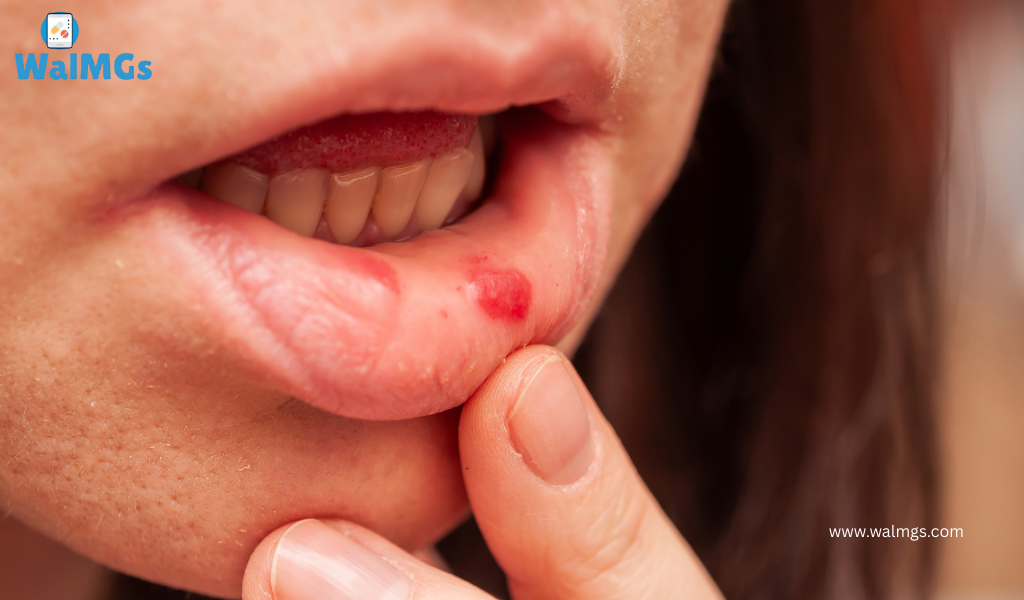
For many people, cold sores are a recurring nuisance, often showing up at the worst times. These are tiny, watery-filled blisters often on or around the lips that are uncomfortable, itchy, sometimes embarrassing, Cold sores are most commonly experienced sometimes on lips with knowledge of their causes, treatments, and prevention.
What Causes Cold Sores?
They are caused by the herpes simplex virus (HSV-1). The virus that causes chickenpox infects the body and then can remain in nerve cells for a long time and reactivate under some circumstances. We can have outbreaks if something like stress, cold or any other physical or mental exertion, hormonal changes, sun exposure or reduced immunity is present.
Keep in mind that cold sores on lips are very contagious — even before blisters develop. The virus spreads easily through direct contact — kissing, or sharing utensils, lip balm or towels.
Knowing what causes cold sores can help you manage and avoid an outbreak. Although the virus cannot be permanently cured, it is possible to alleviate symptoms and shorten recovery time if detected early.
Recognising Cold Sores
Stages of a Cold Sore Most cold sores appear in stages:
Tingling and itching: Often the first symptoms when a cold sore is coming.
Formation of blisters: Blisters develop, typically around the mouth area and are filled with fluid.
Crying and crusting: Blisters can pop and ooze and then crust up.
Healing: The blister heals, typically over 7–10 days.
Recognizing the tingling stage that comes on early is important, as this is the ideal moment to initiate cold sores treatment. The sooner you act, the less chance of pain, and the sooner you will feel better.
Medicines for Cold Sores
Here are some of the best cold sore medications available to help control symptoms and speed healing time. The treatments fall into two general categories: over-the-counter (OTC) and prescription.
Over-the-Counter Treatments
Antiviral creams: These creams, such as aciclovir or penciclovir, work directly on the cold sore. These must be used early in the process, before the skin starts to tingle/itch.
Pain relief creams and gels: These help to soothe pain, reduce itching, and avoid irritation from further squeezing on the area.
Moisturising lip balms and moisturisers: Hydrating the lips can help avoid cracking and quicken the recovery time.
Prescription Medications
If your outbreak is particularly bad or happens often, doctors can prescribe a drug to help get rid of it. These are oral tablets like aciclovir, valaciclovir or famciclovir. Prescription medications are usually stronger than over-the-counter ones and can shorten the length of a breakout if taken at the first sign of infection.
Home Remedies and Supportive Care
Along with medications, you may do things at home to help yourself heal:
- Use a cold pack for swelling and pain relief.
- Do not touch the sores, no way for the virus to spread.
- Eat well and reduce your stress levels to support your immune system.
Though home remedies do not heal cold sores, using them in combination with medical treatments can provide relief.
Preventing Future Outbreaks
Cold sores on lips are also prevented because the prevention part is an even bigger part to play a role in managing the cold sores on lips. Some tips include:
- Do not be in physical contact with the infected person when the outbreak occurs.
- Apply sunscreen or lip balm with SPF to your lips, because sun exposure may trigger cold sores.
- Maintain appropriate hygiene (for example do not share towels, utensils, lip products).
- Avoid triggers– Reduce triggers by managing stress and healthy living.
While the virus stays in the body forever, preventive measures can reduce the occurrence and intensity of outbreaks.
When to See a Doctor?
Most cold sores get better on their own but see a health care provider if:
- It is characterized by recurrent outbreaks or an outbreak thought to be unusually severe.
- Ulcers take longer than fifteen days to heal.
- You develop cold sores with fever, swollen glands, or any other unusual symptoms.
We are able to offer more effective antiviral treatments—sometimes even provide a longer-term prevention against recurrence—or check if another condition may trigger frequent recurrences.
Conclusion
Cold sores are a viral affliction that can be annoying and painful at times. Identifying cold sores triggers early and using effective cold sore medicines can not only relieve pain, blistering, soreness and redness but also reduce things duration and prevent passing the virus to another person.
So the key is to know how to treat your cold sores whether that be with some over-the-counter cream, a prescription, or supportive home care. When you combine treatment with preventive measures, you limit the outbreak and can carry luscious, confident lips.
Finally, act fast, if you recognize tingling or another sign that a sore is forming – this is your best chance of stopping cold sores as early as possible!
Cold Sores FAQ’s
Q1: What causes cold sores on lips?
A: Cold sores are caused by the herpes simplex virus (HSV-1). Triggers include stress, illness, sun exposure, hormonal changes, and a weakened immune system.
Q2: How can I prevent cold sores?
A: Avoid direct contact with someone who has an outbreak, don’t share personal items, protect your lips with SPF, manage stress, and maintain a healthy lifestyle.
Q3: What’s the best treatment for cold sores?
A: Early treatment works best. Options include antiviral creams (OTC), prescription antivirals like aciclovir or valaciclovir, pain relief gels, and supportive care like cold compresses.
Q4: Are there medicines for cold sores I can trust?
A: Yes. Both over-the-counter creams and prescription antiviral tablets are proven effective. Start treatment at the first sign of tingling for the best results.
Q5: How long do cold sores usually last?
A: Typically 7–10 days. Early antiviral treatment can shorten this period.